
For homeowners · DIY projects
Mastering the Art of Paint Storage: Tips Every DIY Enthusiast Should Know
By C. Ray Brower, Associate Broker · September 25, 2026
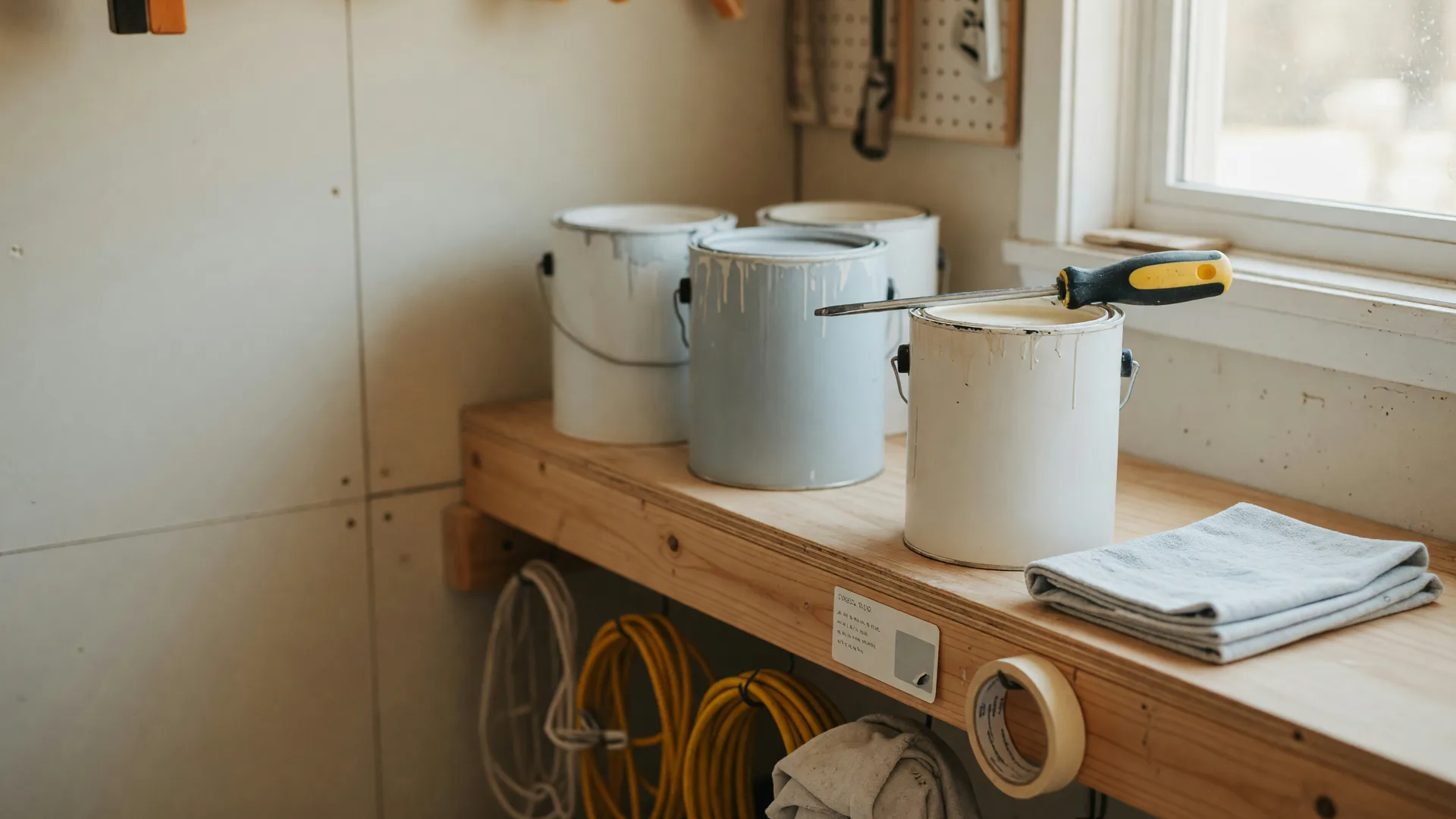
Painting projects are some of the most rewarding improvements a homeowner can take on, but the quality of the finish depends on a lot more than the quality of the paint or your brushwork. It depends on how the cans were stored from the moment they left the store. Proper storage is the quiet foundation under every successful DIY painting project, and it is simpler than most people think. This guide walks through the few habits that keep leftover paint fresh and ready for the next project, written the way C. Ray Brower talks with clients: plain, patient, and practical.
Why paint storage is the foundation
A fresh coat of color can transform a room over a single weekend, and the last thing anyone wants is to open a can of paint weeks later and find it unusable. Heat, cold, air, and moisture all work against stored paint, and each one attacks it a little differently. The good news is that all four are easy to guard against. Learn these basics once, and every can you store will be ready when you are, whether that is next month or next year.
Keep the temperature steady
Paint stores best between 50°F and 80°F (10°C to 27°C), kept in a cool, dry place. That means finding a spot in the house or garage that stays within that range through all four seasons, not one that swings wildly between summer and winter. Extreme heat can make paint thicken, separate, or dry out inside the can, while freezing cold can damage the emulsion and leave paint lumpy or unusable when it thaws. Both ruin a project before it even starts.
The goal is a stable environment. A finished basement corner, an interior closet, or a shelf away from heaters, water heaters, and direct sunlight all work well. If a space gets hot in summer and cold in winter, it is not the right home for your paint, no matter how convenient it is.
Seal the can airtight
Oxygen is the enemy of stored paint. An open or loose lid lets air in, which dries the surface and forms skin, and it lets solvents escape, slowly thickening the paint with every passing month. A can that is not sealed properly is a can that is slowly going bad, whether you notice it today or not.
Sealing is easy once you know the trick: press the lid down by hand to seat it, then work your way around the rim with a rubber mallet until the lid seats fully. A rubber mallet gives you a firm, even tap without denting the metal the way a hammer would. That snug fit is the difference between paint you can use next year and paint you throw away next year.
Stop rust before it starts
Paint residue left on the rim is one of the quietest ways a can gets ruined. Dried paint on the rim breaks the seal, lets air sneak past the lid, and traps moisture that rusts the metal from the inside out. By the time you notice the rust, the paint next to it is often contaminated and the can is beyond saving.
A simple trick prevents all of it: place a piece of plastic wrap over the opening before you close the lid. The wrap creates a clean barrier between the paint and the lid, keeps the rim free of residue, and blocks rust before it can start. It also makes future openings easy, because the lid lifts away cleanly instead of pulling a dried plug of paint with it. Wipe the rim first, lay down the wrap, seal with the mallet, and the can is protected.
Organize what you keep
An organized shelf saves both time and money. Sort your cans by color, then by brand, then by type, wall paint, trim paint, and primer each in their own spot. Keep them on shelving or in one dedicated place in the garage or basement, somewhere away from temperature swings, and label every can with the room it was used in before the details leave your memory.
A simple inventory list makes the system complete. On a notepad or in a note on your phone, track which room each color belongs to and roughly how much remains. Then, when a wall gets scuffed or a room needs a touch-up, you are not digging through a dozen similar-looking gallons guessing. The right shade is easy to find, and you never buy a second can of a color you already own.
Give old cans a second life
This is where the habits pay off: properly stored paint stays vibrant and usable for years. That can you almost threw out becomes a resource. Touch-up paint that matches the existing walls exactly, exactly when you need it, is worth real money. Old cans can also serve as a base for a new project or a second coat, stretching your paint budget further every time you open them.
Before you use any stored can, stir it thoroughly and give it a look and a smell. If it mixes back smooth, smells like paint, and has no hard chunks or foul odor, it is ready to work. A little care at storage time turns a forgotten corner of the garage into a paint locker full of usable color.
Good storage pays you back
Good paint storage is a small habit with a big return. It saves money by keeping leftover paint usable instead of sending it to the landfill. It saves time by making touch-ups simple and quick. And it makes every future project turn out better, because you start with paint in the condition it was meant to be in. Whether you are refreshing a spare room, painting a nursery, or planning something bigger, it all starts with a well-kept can.
And when a project outgrows the walls, C. Ray's team is glad to help you find a home with room for all of it. Reach out through the contact page and tell them what you are working on next. C. Ray for Your Perfect Home.
Talk to C. Ray's team
About the author
C. Ray Brower
Associate Broker, DRE #01969248, brokered by Epique Realty. 11 years in real estate, 100+ homes sold, and a guide who believes a house becomes a home through the projects you put into it. C. Ray for Your Perfect Home.