

Estate planning guide
Why Every Baby Boomer Should Consider a Living Trust
The Baby Boomer's roadmap to efficient estate planning
By C. Ray Brower, Associate Broker · Sep 25, 2026
If you were born between 1946 and 1964, you are part of the Baby Boomer generation, and you have reached the years when legacy stops being an abstract idea and starts being a plan. The house where you raised your family is likely the largest single asset you own, yet the question of who it passes to and how is one of the easiest things to put off. This guide explains, in plain language, why a living trust belongs on your list, and how one simple document can spare the people you love the most a long, expensive, public process.
C. Ray Brower, an Associate Broker with 11 years in real estate and 100+ homes sold across the Central Valley and the foothills, talks about estate planning with clients more than you might expect. Not because he drafts legal documents, he does not, but because the family home anchors almost every legacy, and someone should ask the practical questions about it out loud. This is the conversation he has at the kitchen table, written down: educational, accurate, and honest about when you need a specialist.
The W.I.L.L. framework
Estate planning can sound like a mountain of paperwork, but it really comes down to four questions, and they spell an easy word to remember: W.I.L.L. Each letter stands for something a well-built plan handles, and together they cover almost everything a family needs to think about.
- W
W is for Wishes
A living trust holds the title to your assets while you are alive and transfers them directly to your beneficiaries when you pass. Here is the key difference from a will: a will names who gets what, but it still travels through probate, the court-supervised process that can stretch for months and carries its own fees and delays. Assets titled in a living trust skip probate entirely, so the people you name receive them faster, more privately, and with less overhead. The one honest catch: the trust only works for assets that are actually moved into it, which is where a conversation about the deed to your home comes in.
- I
I is for Incapacity
Life rarely asks for permission before it changes. A well-built living trust includes provisions that name who makes financial decisions for you if you cannot make them yourself, and a companion durable power of attorney and advance health care directive name who speaks for you on money and medical matters. Instead of your family guessing, or asking a court to appoint a guardian, they simply follow the directions you already wrote. That clarity turns a frightening moment into a manageable one.
- L
L is for Lawyers
Minimizing legal entanglements and fees is one of the quiet, consistent benefits of a living trust. Fewer court proceedings for your family usually means less money spent and fewer months of waiting during an already hard time. The honest counterpoint: the trust itself should be drafted by an estate planning attorney who knows California law, because the documents are only as good as the way they are written and signed. A modest upfront cost buys a great deal of calm later, and C. Ray will always point you to the right professionals for that part.
- L
L is for the Love Letter
The best plans do more than move money. A living trust can also be a platform for passing down stories, values, and wisdom: a letter to the grandchildren, a note about what the family home meant, a record of the traditions that should survive the move from one generation to the next. That part never appears on a tax form, and it is often the part the family remembers longest.
Baby Boomers in the digital age
Estate planning was built for a world of paper deeds and bank books, and your generation has lived through more change than any before it. That means a modern plan needs a third layer, the digital one, because a growing share of what you own exists only online.
-
Online accounts
Email, banking, social media, streaming, subscriptions, and the countless logins that run daily life. If no one knows they exist, settling them becomes guesswork, and some simply sit frozen.
-
Digital currencies
Cryptocurrency and other digital value live outside the bank statements most families know to look for. Access keys and wallet information need a secure home in the plan, just like a safety deposit box used to.
-
Virtual businesses
An online shop, a rental property managed through an app, a side income that exists entirely on the internet. These are real assets with real value, and they deserve a named path forward like any other business.
The practical fix is not complicated. Keep a current inventory of accounts and access, store it where your trusted family member can find it, and tell your trustee or attorney where it lives. A successor trustee can step in for these assets quickly when the plan names them, but only if someone knows they exist.
The emotional inheritance
Money is not the only thing a legacy carries. There is an emotional inheritance too: the family stories, the shared history, the way a holiday table was set, the reason your street corner mattered. The family home holds more of that than any bank account ever could, which is why the planning conversation is often also a remembering conversation.
The families C. Ray works with who plan earliest tend to have the calmest conversations. There is room to ask what the house meant, what should be kept, and who carries the traditions forward. A living trust creates the space for that discussion on purpose, instead of letting it happen in a hurry during a difficult season.
Peace of mind, not paperwork
Whatever the documents say, what a living trust actually delivers is peace of mind. You keep control of your assets while you are alive, you can change the plan if life changes, and your family gets clear instructions instead of a court case. The relatives you are trying to protect never have to wonder what you would have wanted, because you wrote it down in a document that works the way you intended.
A note on accuracy: this guide is educational, not legal advice. A living trust should be prepared by a licensed estate planning attorney who can tailor it to California law and your exact situation. What C. Ray can do is help with the real estate side of the legacy, so the home itself is ready to move through the plan cleanly.
Your real-estate legacy starts with a conversation
Your home is usually the biggest piece of the legacy you are building, and it deserves the same clear-eyed planning as the rest of your estate. C. Ray helps families understand what their home is really worth, what it costs to keep, and how it fits the plan they are building, whether that means passing it through a trust, selling it on your timeline, or something in between.
If you are ready to make your real-estate legacy part of the conversation, he would be glad to talk. Start with one calm conversation about your home, no pressure, and he will help you see how it fits the bigger picture. C. Ray for Your Perfect Home.
Start the conversation about your legacy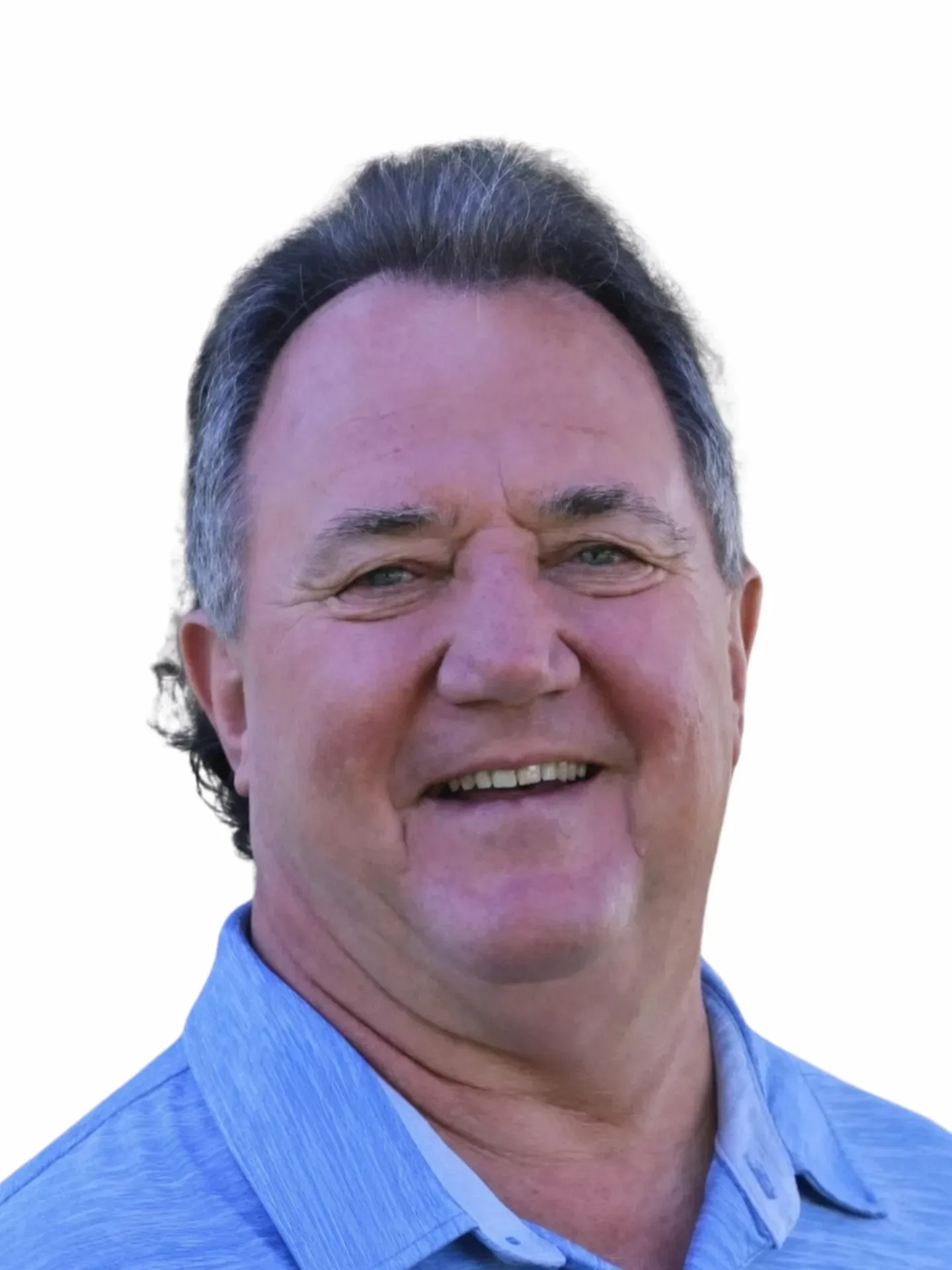
About the author
C. Ray Brower
Associate Broker, DRE #01969248, brokered by Epique Realty. 11 years in real estate, 100+ homes sold, and a patient, plain-spoken approach to big life decisions. C. Ray for Your Perfect Home.